Planning EV Charger Installation in 2026: A Home & Business Guide
If 2026 is the year you’re finally making the switch to an electric car, you’re probably asking one big question: how will you actually charge it day to day?
As EV ownership continues to rise, reliable charging at home or work is becoming a priority for both homeowners and businesses. Planning ahead helps avoid delays, manage costs more effectively and secure installer availability before demand increases.
Whether you’re preparing your home or looking to support staff, customers or fleets, EV charger installation is now an essential part of the conversation. And with more electric vehicles on UK roads than ever before, getting organised early can make a real difference.
This guide is for homeowners, business owners and property managers across Birmingham and the West Midlands. It breaks down what to consider, how home and commercial installations differ, and why choosing an experienced local installer really matters.
Why 2026 Is the Right Time to Plan EV Charging
January is a natural planning month. Budgets reset, new vehicles are ordered, and people start thinking long-term. For many, an EV charger isn’t an impulse purchase it’s part of a bigger lifestyle or business decision.
Public charging has its place, but it isn’t always convenient, predictable or cost-effective. That’s why more drivers are turning to professional EV charger installation at home or work. It gives you control, reliability and peace of mind from day one.
Planning now also means you can explore grants, assess your electrical setup properly and avoid last-minute decisions later in the year.
Home EV Charger Installation: What Homeowners Should Consider
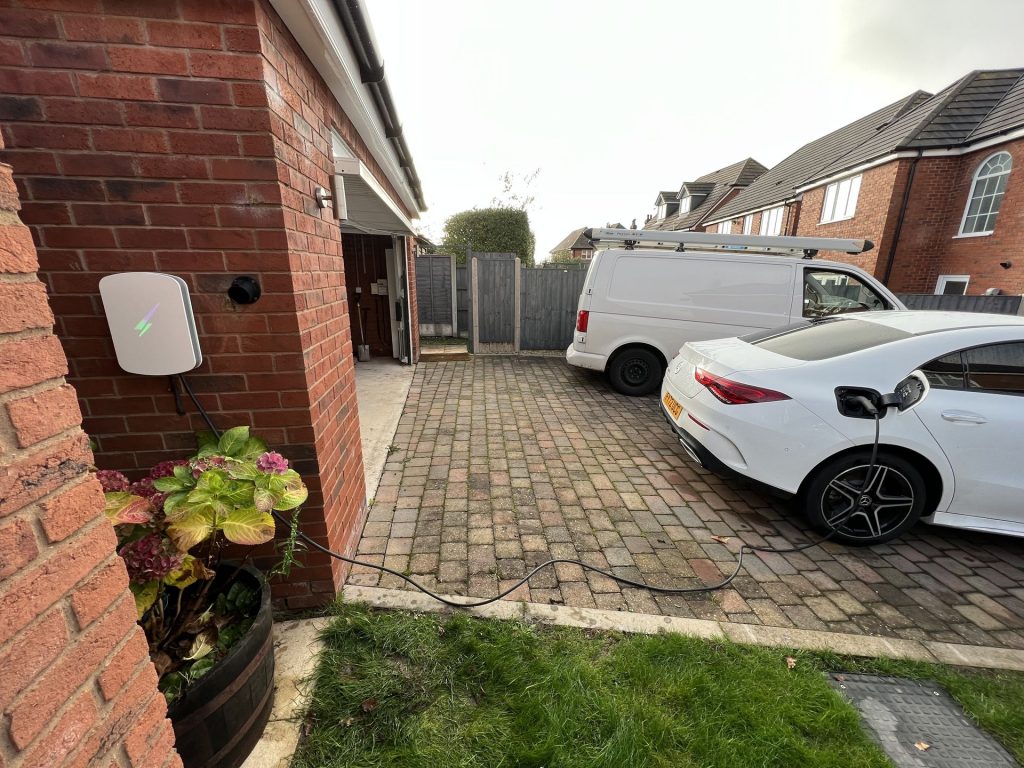
If you’re charging an electric car at home, convenience is usually the biggest motivation. Plugging in overnight and starting the day with a full battery just makes sense.
Before booking an installation, there are a few practical things worth thinking through.
Your parking situation
Off-street parking is ideal, but shared driveways and allocated spaces can also work. Each setup needs a slightly different approach, which is why a site survey is so important.
Your existing electrical supply
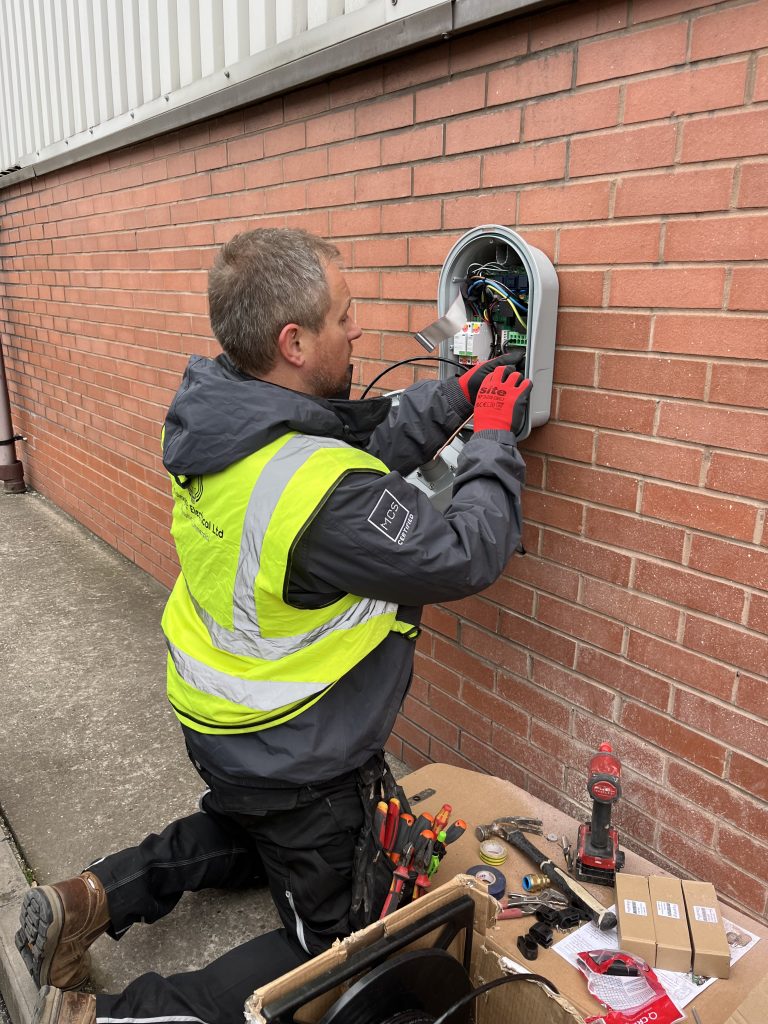
Some properties are ready to go. Others may need minor upgrades to support a charger safely. A qualified electrician like Gallagher Electrical will check capacity, safety and compliance before anything is installed.
The type of charger
Smart chargers, solar-compatible units and app-controlled systems are increasingly popular. The right choice depends on how you use your vehicle, not just the car itself.
For homeowners looking for home ev charger installation in Birmingham and the West Midlands, here at Gallagher Eletrical were happy to help.
Commercial EV Charger Installation: Planning for Businesses
For businesses, EV charging is no longer a “nice to have”. It’s quickly becoming an expectation.
Companies across the region are installing chargers to support staff, attract customers and future-proof their premises. In some sectors, it’s also becoming part of wider sustainability commitments.
Who will use the commercial EV chargers?
Staff, visitors, residents or fleet vehicles all place different demands on a system. Understanding usage helps determine how many units are needed and how they should be managed.
Scalability
Many organisations start small and expand later. Planning infrastructure with growth in mind avoids costly changes further down the line.
Funding and grants
Workplace and infrastructure grants can significantly reduce upfront costs. Early planning makes it easier to assess eligibility and apply correctly.
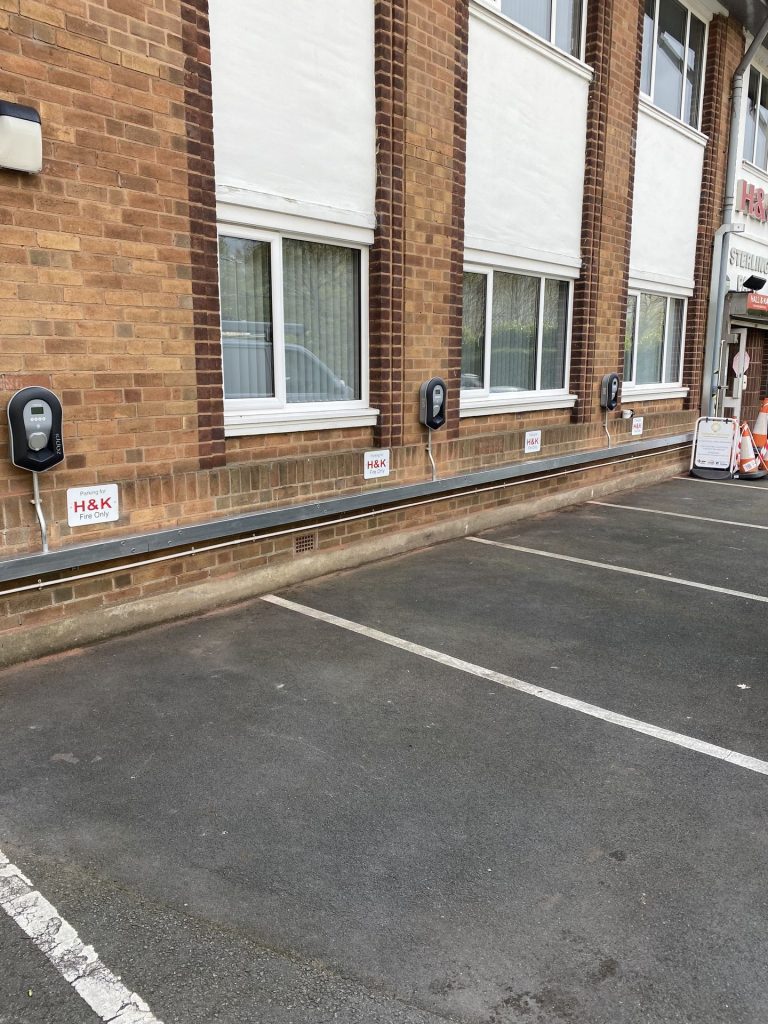
From offices and retail sites to apartment blocks and hospitality venues, commercial EV charger installation in Birmingham is becoming a smart, forward-thinking investment rather than a reactive one.
Frequently Asked Questions About EV Charger Installation
Is it worth installing an EV charger in 2026?
Yes. With more electric vehicles on UK roads and rising public charging costs, installing a charger at home or work offers convenience, long-term savings and greater control over how and when you charge.
Can EV chargers be installed at any property?
Most homes and businesses can support an EV charger, although some may require minor electrical upgrades. A professional survey will confirm suitability and identify the best installation approach.
What’s the difference between home and commercial EV chargers?
Home units are designed for individual vehicles, while commercial systems are built to handle multiple users, higher demand and management features such as access control or billing.
Do I need planning permission for an EV charger?
In most cases, no. However, listed buildings, flats or shared parking areas may have additional requirements.
Do I need planning pemission for an EV charger?
In most cases, no. However, listed buildings, flats or shared parking areas may have additional requirements. A local installer can advise based on your property.